


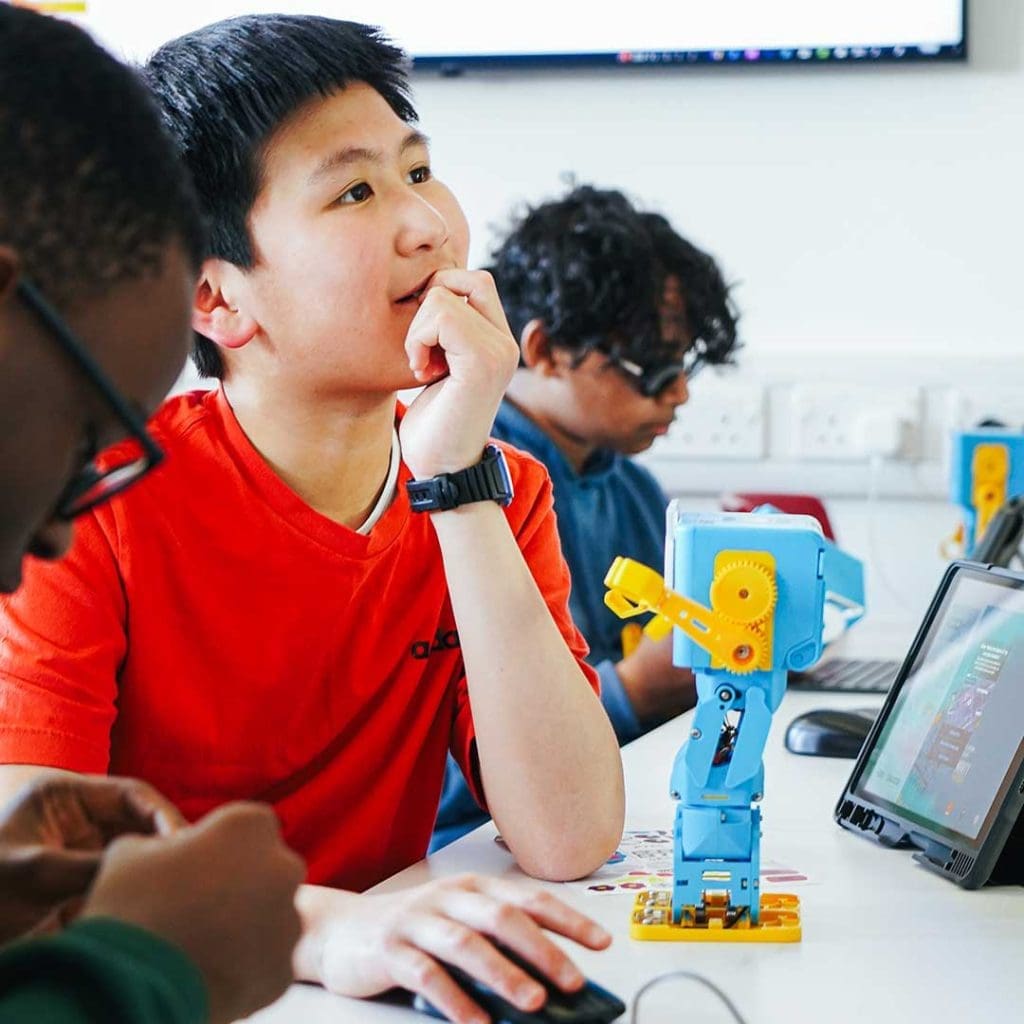
AI Literacy and the Rise of Misinformation
We are living in a time where misinformation is widespread and increasingly hard to spot. AI tools can now generate highly convincing text, images, audio, and video. While these technologies are powerful, they also make it harder to distinguish fact from fiction.
Students need to be both AI literate and media literate. This means understanding how AI-generated content is created, recognising its limitations, and developing the critical thinking skills to question what they see online.
By teaching students how AI works, we can empower them to ask better questions.
Questions that we might teach students to ask when they see content online are:
Who created this content? And why?
What tools might have been used?
Can this content be trusted?
Preparing Students for the Future World of Work
AI very quickly became a standard part of the workplace. From automating routine tasks to supporting complex decision-making, it is changing how people work in every type of industry.
Students who understand AI will be better equipped to succeed in a rapidly evolving job market and helps them move from passive consumers of technology and content to active creators and problem-solvers.
When used correctly, AI is an incredibly useful tool for learning and creativity. The key is teaching students how to use AI in a thoughtful and ethical way. This includes understanding its strengths, recognising its limitations, and using it to enhance rather than to detract or distract from learning.
Bringing AI to Life in the Classroom
The core concepts of AI and Machine Learning can be complicated and hard for students to grasp, so one of the biggest challenges is making it accessible and engaging in the classroom. This is where hands-on tools make all the difference.
At Robotical, we believe students learn best by doing, rather than only working on screens. That is why both Marty the Robot and Robotical Cog introduce AI and machine learning concepts in ways that are interactive, creative, and easy to understand.
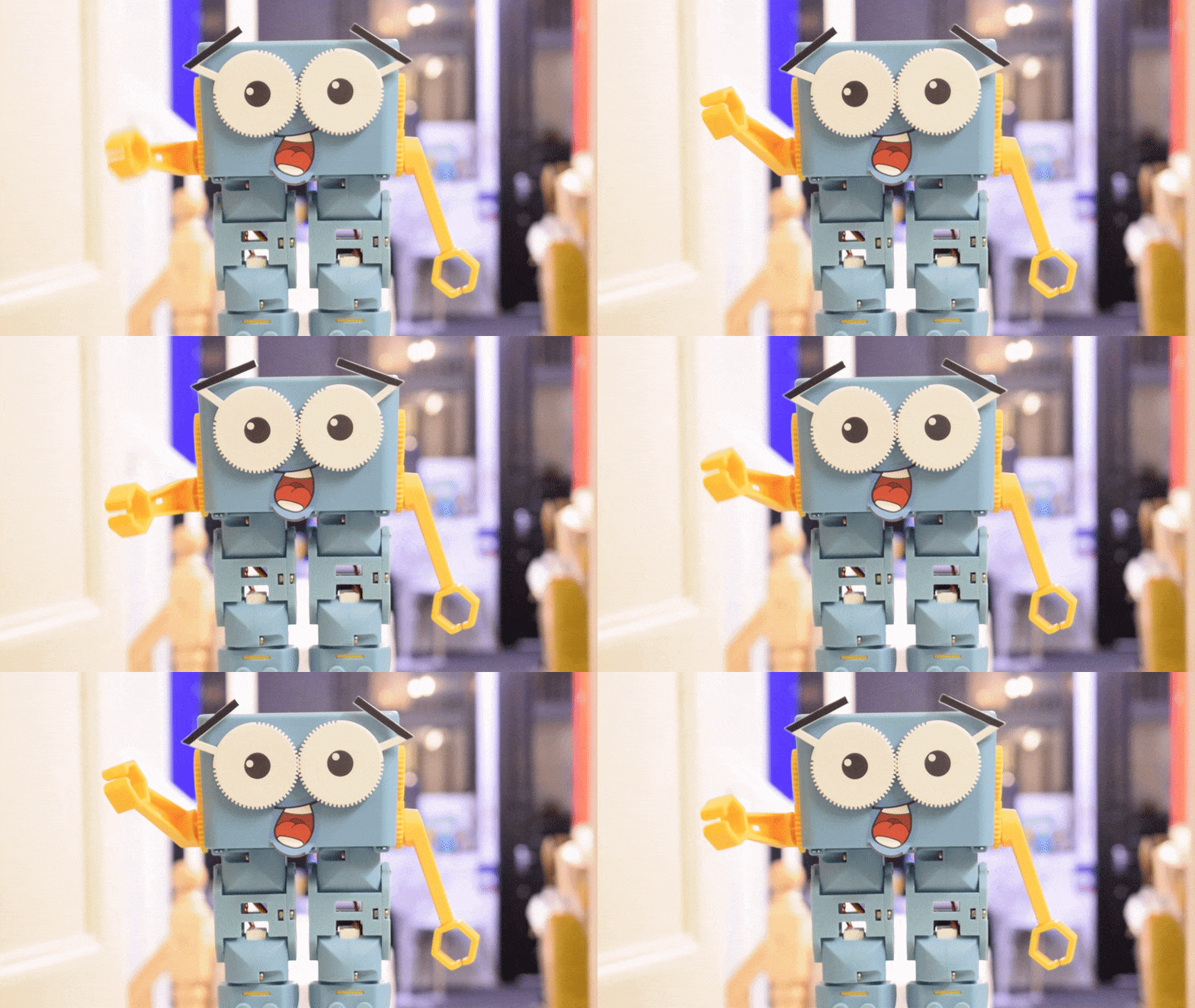
Exploring Machine Learning with Robotical Cog
With Robotical Cog, students can dive into machine learning through gesture sensing. This allows them to train models to recognise and respond to physical movements, helping them understand how AI models are built and refined.
It is a simple yet powerful way to introduce core concepts like training data, pattern recognition, and model accuracy. Click the button below to access this guided activity on the Robotical Web App. Helpful steps allow students to work through it at their own pace, encouraging independence in the classroom.
Machine Learning with Marty the Robot
We’ve created a few helpful guides on how to introduce AI / Machine Learning with Marty the Robot.
Click through the buttons below to learn more.
 About Us
Other posts you may like
A Scratch Alternative for Schools: Meet the Free Robotical App
Scratch is one of the best-known coding platforms for children. Its block-based programming environment has helped make coding accessible to millions of young people, and many teachers around the world...
How to Teach Your Kids to Code
Perhaps your kids have already tried a micro:bit in class or started coding with Scratch in an after-school club. If they are showing an interest in coding, continuing that learning...
Why Probeware Matters in Science Education
In today’s classrooms, hands-on learning is essential. Students learn best when they can see, measure, test, and experience concepts directly. That’s where probeware comes in. By giving learners the tools...
TRY MARTY
FOR FREE
Are you looking for new STEM resources for your classroom? Robotical are loaning Marty the Robot to schools for no-obligation, 2 week trials.